Responsibly Exploring Wildlife Areas
A visit to a protected wildlife area can feel completely different from an ordinary vacation. The sounds are softer, the air feels cleaner, and people naturally slow down once they step into places shaped more by nature than by crowds or traffic. Travelers who want a longer, more immersive outdoor experience often look into park model homes near wildlife parks because staying close to protected landscapes lets them experience wildlife in a calmer, more meaningful way.
Choose Destinations That Truly Protect Wildlife

Even if a wildlife attraction claims to be environmentally responsible, it may not always function ethically. Certain locations put animals under significant stress due to overpopulation, artificial performances, or frequent human contact. It is beneficial to find out if the location actively promotes habitat preservation and conservation initiatives before making travel plans.
Tourists can avoid destinations that harm wildlife behind the scenes by consulting reliable conservation resources. Doing some research before making a reservation frequently results in a much more satisfying experience down the road. Smaller parks and protected areas can occasionally produce more memorable experiences than major tourist hotspots. In quieter settings with less disturbance and noise, wildlife tends to act more naturally. Additionally, visitors have more time to see nuances that they would typically overlook in crowded places with tour groups.
Respect Animal Habitats During Your Visit
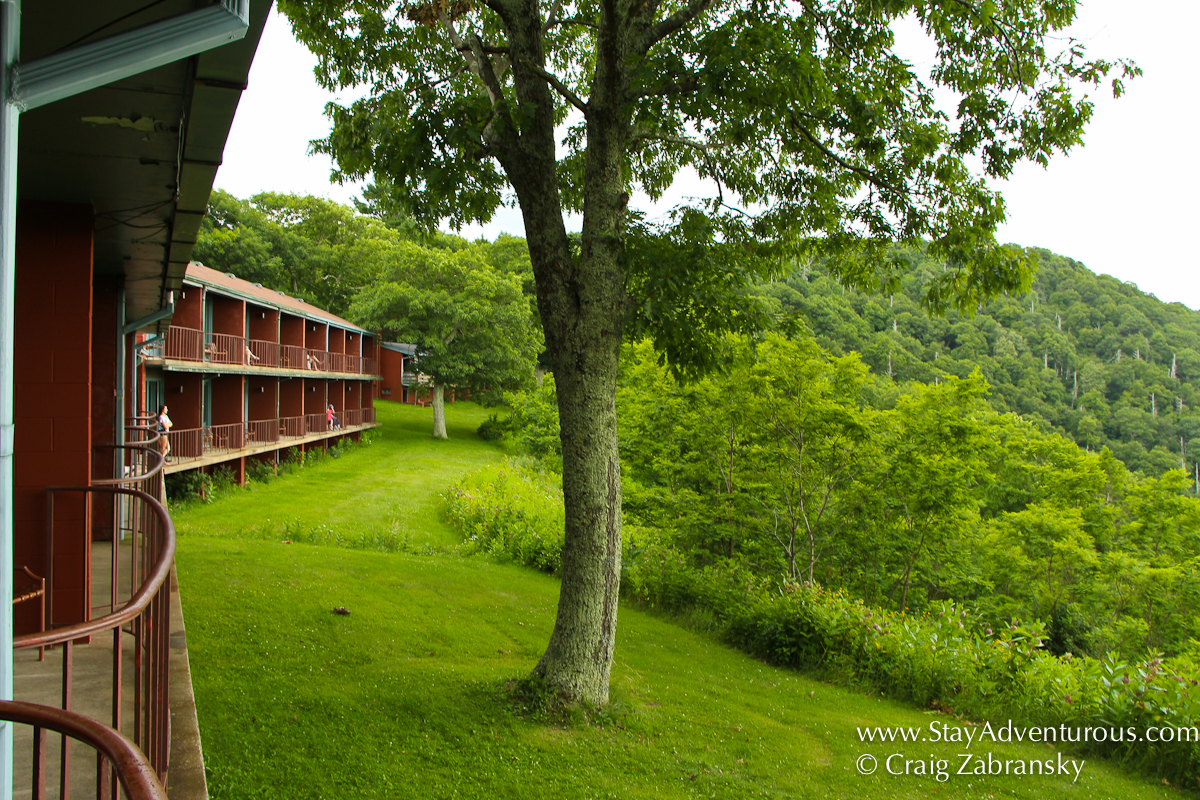
skyline resort – Craig-In
Wildlife areas are not theme parks, even when they are popular tourist destinations. Animals depend on certain areas for migration, food, housing, and child-rearing. When visitors disregard limits, they may unintentionally cause stress that has long-lasting effects on wildlife.
More important than taking the ideal picture is maintaining a respectable distance. Threatened animals may stop feeding, leave their nesting sites, or completely abandon significant habitats. Natural behavior patterns might be disrupted by anything as basic as loud talk or abrupt movements.
It’s equally crucial to stay on designated trails. Paths are created to protect sensitive plants and reduce damage to sensitive ecological components. While straying from the path may appear innocuous at first, frequent tourist disturbance gradually degrades ecosystems that are often difficult to repair.
Support Conservation With Small Travel Choices
Responsible wildlife tourism is frequently shaped by daily choices. Many US National Parks such as the popular Grand Canyon and Yellowstone provide reminders to make these choices. Protected regions can continue to function without relying solely on mass tourism by hiring local guides, offering conservation-focused tours, and supporting local communities. The benefits from those minor decisions extend much beyond a single visit.
Travelers’ sense of connection to the event might also be influenced by where they stay. Quieter lodgings are now preferred by some tourists over packed hotels since they give them more time to enjoy the surroundings. Travelers might be encouraged to slow down and spend more meaningful time outside, rather than constantly racing between activities, by staying close to protected environments, such as park model homes.
A big part of taking care of natural places is simply not leaving a mess behind. Things like using a reusable water bottle, skipping plastic when you can, and cleaning up after eating might seem minor, but they really do help. In quieter, remote areas, even a little bit of trash can cause problems for wildlife and nearby streams or lakes.
Slow Down and Experience Nature More Fully
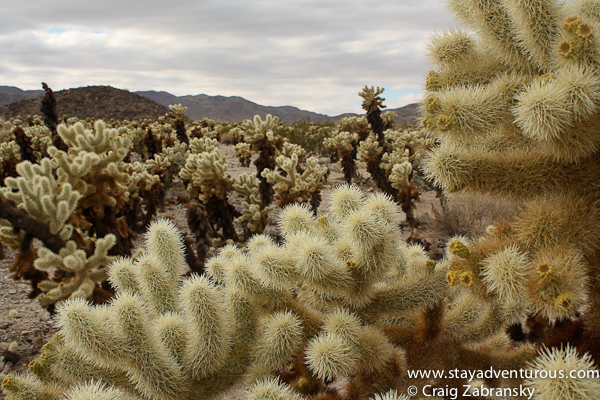
Many travelers move through wildlife parks too quickly. They rush from one viewpoint to another, hoping to see as much as possible in a single day. Nature rarely works on a schedule, though, and some of the best experiences happen during the quiet moments in between.
Early mornings often provide the best opportunity to observe wildlife naturally. Sitting quietly near a trail or lookout allows visitors to notice movement, sounds, and patterns they might otherwise overlook. Sometimes the memory that stays longest is not a dramatic animal sighting but the peaceful feeling of simply being present in the environment.
Learning about local ecosystems before arriving can also make the trip feel more meaningful. Understanding migration seasons, native species, or conservation challenges creates a stronger connection to the area itself. The experience becomes less about entertainment and more about appreciating the balance that keeps those environments alive.
Leave Wildlife Areas Better Than You Found Them
The best wildlife trips often change how people think about nature long after they return home. Choosing ethical destinations, respecting animal habitats, and supporting conservation efforts helps protect these environments for future generations rather than adding pressure to already fragile ecosystems. Travelers who choose thoughtful experiences, including stays in park model homes near wildlife parks, often discover that slowing down and respecting nature creates a far deeper and more memorable adventure than simply passing through for a few photos.