Choosing the Right African Safari
There’s a tendency to speak about “going on safari” as though it’s one experience.
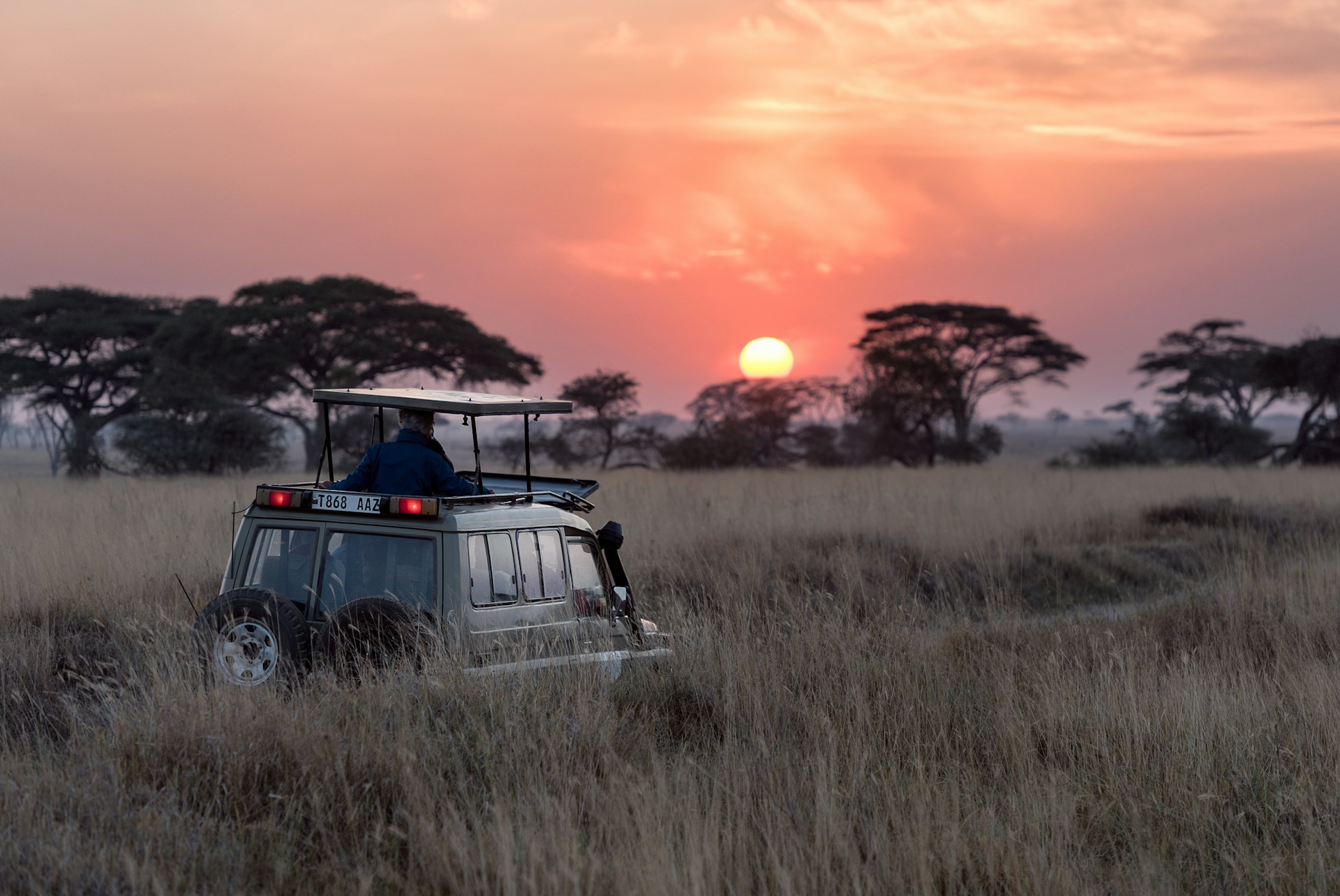
As if Africa were a single landscape, with predictable animals and a standard script: sunrise drive, lion sighting, sundowner, repeat. It’s an understandable shorthand. But it’s also misleading.
The reality is far more varied. The savannahs of Kenya feel nothing like the wetlands of Botswana. Namibia’s deserts offer a different mood entirely. Forest edges in Zambia or Zimbabwe create an intimacy that contrasts sharply with East Africa’s open horizons.
Specialist operators such as Naturetrek, who focus on small-group, expert-led African Safaris, understand that the first and most important decision isn’t “which country?”, but “what kind of experience are you hoping for?”
Choosing the right safari destination isn’t about prestige. It’s about alignment — with your wildlife interests, preferred landscapes, tolerance for seasonality and appetite for immersion.
And that alignment shapes everything.
Start With What Genuinely Interests You as a Traveler
It’s tempting to begin with the so-called “Big Five” animals on a Safari. Lions, elephants, leopards, rhinos and buffalo have become shorthand for safari success.
But pause for a moment. Are those really what draw you in?
Some travelers are captivated by predators — the drama of big cats on open plains, the tension of a hunt unfolding. In that case, parts of Kenya and Tanzania, with their expansive grasslands and relatively visible wildlife, can feel compelling. Or perhaps the Giraffe is Big 5 worthy in your book?
Others are more interested in behavior than spectacle. Birdlife, for instance, can be extraordinary in wetlands such as the Okavango Delta. Subtle interactions between species can feel more rewarding than ticking off headline animals.
Then there are migration enthusiasts. Witnessing thousands of wildebeest move across the Serengeti ecosystem is undeniably powerful. Yet it’s seasonal, and it’s not the only reason to visit.
The first step, then, is honesty. What actually excites you? The drama? The rarity? The ecosystem? Or perhaps something you can’t quite articulate yet. Sometimes, interestingly, what travellers discover in the field differs from what they expected. But having a starting point helps.
African Landscape Shapes Experience More Than You Might Expect

a thirsty herd of elephants…
Animals rarely exist in isolation. They are framed by landscape, and that landscape influences how a safari feels.
East Africa’s vast plains offer space. You can see for miles. Wildlife feels part of a grand theatre. Sunsets stretch across open sky. In contrast, Botswana’s delta systems are intimate. Channels weave through reeds. Sightings often emerge from water or woodland. The experience feels quieter, more enclosed.
Namibia’s desert regions provide stark contrast — dramatic light, resilient wildlife adapted to arid conditions, a sense of remoteness that can feel almost cinematic, especially on a hike on the red sand dunes of Sossusvlei.
Each setting carries its own emotional tone. Some travelers crave wide horizons and classic imagery. Others prefer textured, layered environments where encounters feel discovered rather than displayed.
It’s worth imagining not just the animals you hope to see, but the atmosphere you want to inhabit.
Understanding Seasonality — Without Obsessing Over It
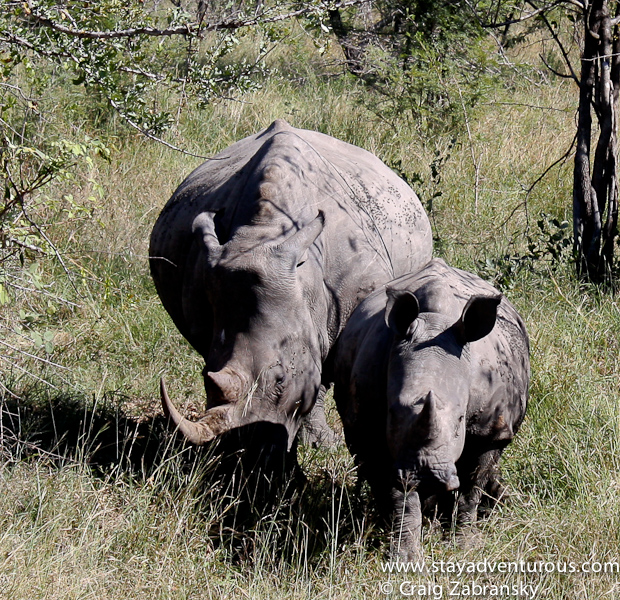
mother and child head straight for us.
Conversations about safari timing can quickly become technical. Dry season versus green season. Peak migration windows. Breeding cycles. All of this matters — but not in the simplistic way it’s often presented.
Dry seasons generally mean thinner vegetation and easier wildlife visibility. Water sources shrink, drawing animals into clearer view. Conditions can be more comfortable in some regions.
Green seasons, on the other hand, bring lush landscapes, newborn animals and extraordinary birdlife. Photography changes. Light softens. The bush feels alive in a different way.
There is rarely a single “perfect” time for a safari. There is only the most suitable time for what you’re seeking. Migration events, for instance, are spectacular — but they require flexibility and careful planning. Meanwhile, quieter shoulder seasons can offer intimacy and fewer vehicles.
Understanding seasonality isn’t about chasing a peak moment. It’s about aligning timing with intention.
Group Style and Structure Matter
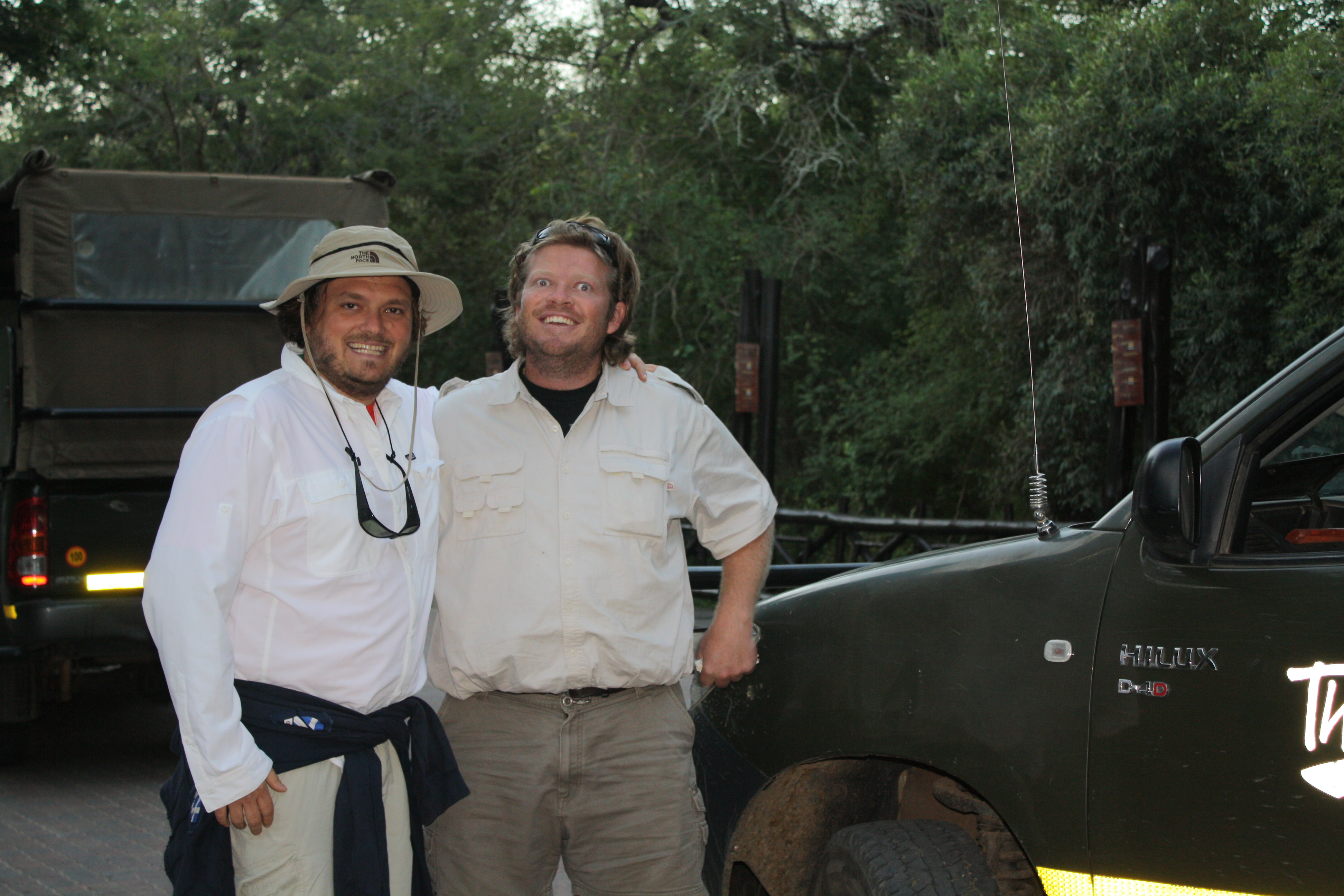
always good to have a crazy safari guide…
The rhythm of your safari is shaped not just by geography, but by format.
Small-group safaris tend to offer more flexibility and interpretation. Conversations with guides can deepen. Questions are encouraged. Days may feel more immersive.
Larger lodge-based experiences can provide comfort and infrastructure, though sometimes with less depth of natural history discussion.
Mobile camps, often used in certain regions, allow proximity to wildlife movements. Established lodges offer consistency and ease.
Neither is inherently superior. The question is what suits you. Do you value expert interpretation throughout the day? Or are you content with shorter guided drives and more independent downtime?
The style influences not only what you see, but how you engage with it.
Pace and Stamina for the Safari Rides
Safari days often begin early. Dawn is when wildlife activity peaks and light is softest.

everyone wanted the perfect picture of sunset on the river safari cruise
Multiple consecutive early starts can feel exhilarating — and tiring. Travel between reserves may involve light aircraft or long road transfers. Evenings, though often restorative, may include discussion, dining and reflection.
Choosing fewer reserves with longer stays can create depth. You begin to understand patterns in a single ecosystem. You recognize landmarks. You feel less transient. In contrast, moving between several parks offers contrast and variety, but can compress experience.
There is no universal formula. But it’s worth considering your own stamina. Intensity can be thrilling. It can also exhaust.
Photography, Observation, or Immersion?
Not all safari travelers share the same focus.

the elephant let us pass….thankfully
Some arrive with professional camera equipment, keen to capture perfect light and composition. They may prioritize positioning and longer sightings.
Others are more interested in learning — bird identification, behavioral interpretation, ecological context.
First-time safari travelers might simply hope to witness iconic animals in their natural habitat. Repeat visitors often seek specialist experiences — rare species, specific habitats, deeper conservation insight.
The destination you choose should support your priority. Open plains lend themselves to certain photographic styles. Wetlands support birdwatching. Forest edges demand patience and attention. Being clear about your motivation prevents quiet disappointment.
Conservation and Context for the Landscape
Modern safari travel sits within a broader conservation landscape.
Some regions have strong community involvement and sustainable tourism frameworks. Others rely heavily on park fees for wildlife protection. Certain countries have well-established anti-poaching programs; others are developing them.
For many travelers, understanding this context adds meaning to the journey. Supporting conservation-focused initiatives can deepen the experience beyond observation.
Choosing responsibly doesn’t require moral grandstanding. It simply requires awareness.
Managing Expectations for the Safari Experience
Perhaps the most important element of choosing a safari destination is understanding unpredictability. Wildlife does not follow schedules. You may spend hours watching nothing dramatic. Then, suddenly, a moment unfolds — quiet, unexpected, unforgettable.
A destination known for leopards may not deliver one on every drive. Or you may not get the photo as they move too quickly. A region famous for migration may offer subtle behavior rather than spectacle on a particular day.
And yet, many travelers find that quieter days become unexpectedly rich. You notice smaller details. You observe patterns rather than events.
The role of expert guidance here cannot be overstated. Interpretation transforms a distant sighting into a story. Context turns stillness into understanding.
The Safari That Fits You Now
Africa offers extraordinary diversity. But diversity alone doesn’t create meaning.
The right African safari destination isn’t necessarily the most famous park or the most photographed horizon. It’s the one that aligns with what genuinely excites you — whether that’s predator drama, intricate birdlife, sweeping landscapes or subtle ecological understanding.
Choosing carefully allows the experience to feel personal rather than generic. And when that alignment is right, something shifts. You stop comparing. You start observing. The landscape feels less like a backdrop and more like a living system you’ve been invited to witness.
That, perhaps, is when a safari moves beyond expectation — and becomes something you carry with you long after the dust has settled.