Adventure in the Andes of Peru
The Andes combine dramatic landscapes with centuries of civilization. From Machu Picchu to the streets of Cusco, Peru offers travel shaped by history, altitude and living traditions. These are reasons why it makes lists of 20 destinations for the 2020s. Careful preparation allows visitors to experience these landscapes while respecting site regulations and local communities.
Visitor numbers at Machu Picchu are limited each day, with timed entry and fixed circuits in place. Booking early and following designated routes protects the site and ensures smoother access. Reduced numbers within each time slot create a calmer atmosphere inside the citadel and support long-term preservation.
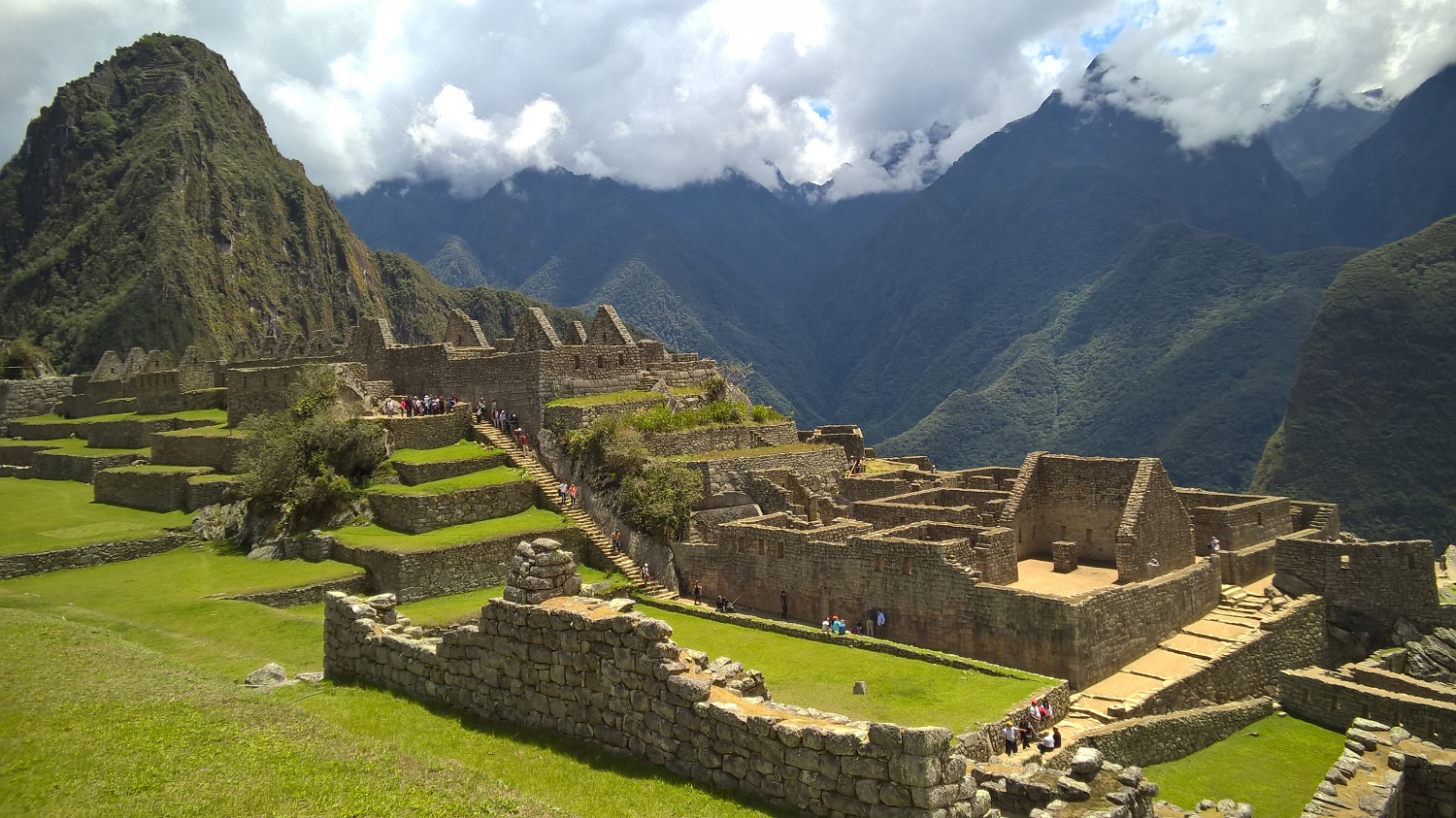
Image by anedallago from Pixabay
Essential Preparation for Machu Picchu in 2026
Visiting Machu Picchu requires attention to updated regulations designed to safeguard its archaeological integrity. Entry operates on timed tickets and defined circuits, and availability is restricted. Reviewing official requirements before confirming travel plans is essential.
Organized itineraries must reflect current permit structures and visitor controls. Machu Travel Peru aligns travel arrangements with these requirements, coordinating access, timing and site regulations within established visitor controls.
The Chinchero International Airport project may increase visitor numbers once operational, reinforcing the importance of reserving accommodation and transport early. Altitude also requires planning. Cusco stands at 11,152 feet above sea level, and spending two to three days acclimatizing supports physical adjustment before higher-altitude activities.
Weather conditions influence timing. May to September generally offers drier days and clearer skies, although seasonal variation should always be considered when organizing travel.
Lesser-Known Andean Treasures Beyond Machu Picchu
While Machu Picchu receives global attention, other Andean sites provide quieter alternatives for visitors who prefer less structured routes. Choquequirao features extensive terraces set across steep mountain terrain and requires a multi-day trek to access. The physical demands of the route naturally limit visitor numbers, preserving a more secluded atmosphere and allowing uninterrupted views across surrounding valleys.
The site’s scale reflects the architectural ambition of the Inca civilization, with stone platforms and agricultural terraces extending across the mountainside. Unlike more regulated destinations, access here depends largely on physical preparation and route planning rather than timed entry systems. This combination of remoteness and scale appeals to those willing to invest time and effort in exchange for fewer crowds and broader perspectives across the Andean landscape.
Sustainable Community Tourism Options
Communities in the Sacred Valley, including Ollantaytambo and Pisac, offer opportunities for cultural immersion. The Ollantaytambo ruins preserve original Inca terraces and ceremonial structures overlooking the valley, while the town itself retains historic street layouts and water channels still in daily use. Market days in Pisac reflect continuity between ancient terraces and contemporary artisan activity.
In villages such as Patacancha and Raqchi, time spent with local families may involve weaving demonstrations, shared meals or seasonal agricultural tasks. These arrangements contribute to household income and encourage respectful cultural exchange.
For trekking beyond established routes, the Ausangate region and paths leading to Rainbow Mountain provide high-altitude scenery and access to remote Quechua communities.
Practical Logistics for Andean Travel
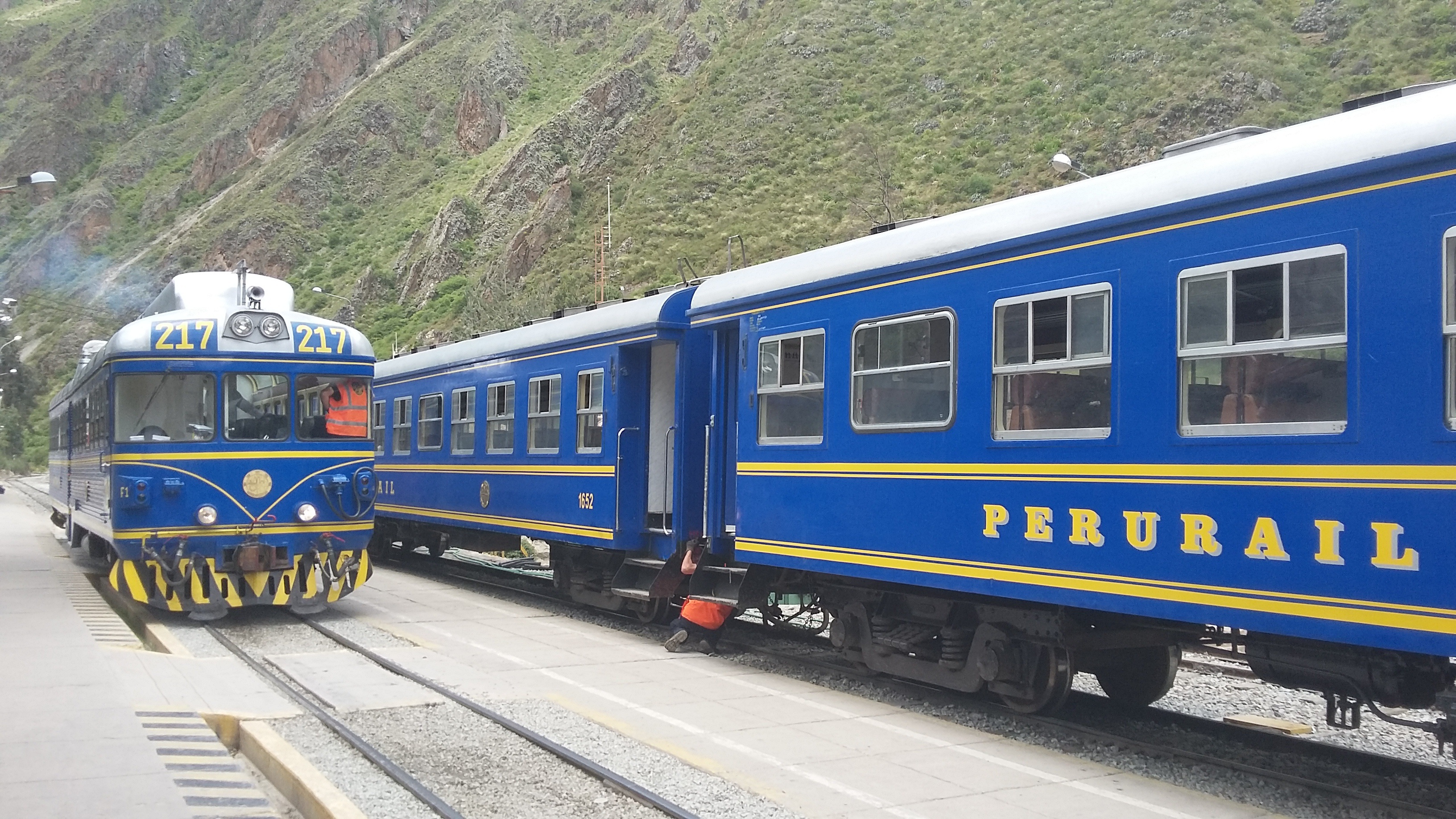
Image by carlos mendoza from Pixabay
Most international visitors arrive in Lima before taking a domestic flight to Cusco. From Cusco, travel to Machu Picchu typically involves a train journey to Aguas Calientes or a permitted trek along sections of the Inca Trail. Rail connections are operated by PeruRail train services, which run scheduled routes between Cusco and the Machu Picchu gateway. Availability depends on seasonal demand and regulated entry limits, which should be secured in advance. Coordinating transport, accommodation and ticket timings reduces the risk of delays and missed connections.
Travel times between locations in the Sacred Valley can vary due to mountain roads and weather conditions. Allowing buffer time between transfers supports smoother movement across the region. Travelers should also confirm train schedules and baggage policies in advance, as services operate under specific guidelines that may differ from standard rail systems in other countries.
Altitude Acclimatization Strategy
A gradual ascent supports physical adjustment. Many travelers begin at sea level in Lima, continue to the Sacred Valley at approximately 9,000 feet for several days, and then proceed to Cusco at 11,152 feet. This staged approach allows the body to adapt progressively to reduced oxygen levels.
Hydration remains essential at higher elevations, where air is thinner and drier. Regular fluid intake helps reduce headaches and fatigue. Eating balanced meals and avoiding strenuous activity during the first days at altitude also supports adaptation. Limiting alcohol and caffeine during this period reduces additional strain. Carrying a refillable bottle encourages consistent hydration throughout the day.
Symptoms of altitude discomfort vary between individuals. Mild effects may include shortness of breath or light dizziness during exertion, while more serious reactions require medical attention. Recognizing early signs of altitude sickness allows visitors to adjust their plans, include rest days and reduce physical strain while the body adapts to reduced oxygen levels.
Coca tea has long been used locally to ease mild altitude discomfort. Although scientific evidence remains limited, it remains widely available in hotels and restaurants across the region.
Cultural Immersion Opportunities in the Andes
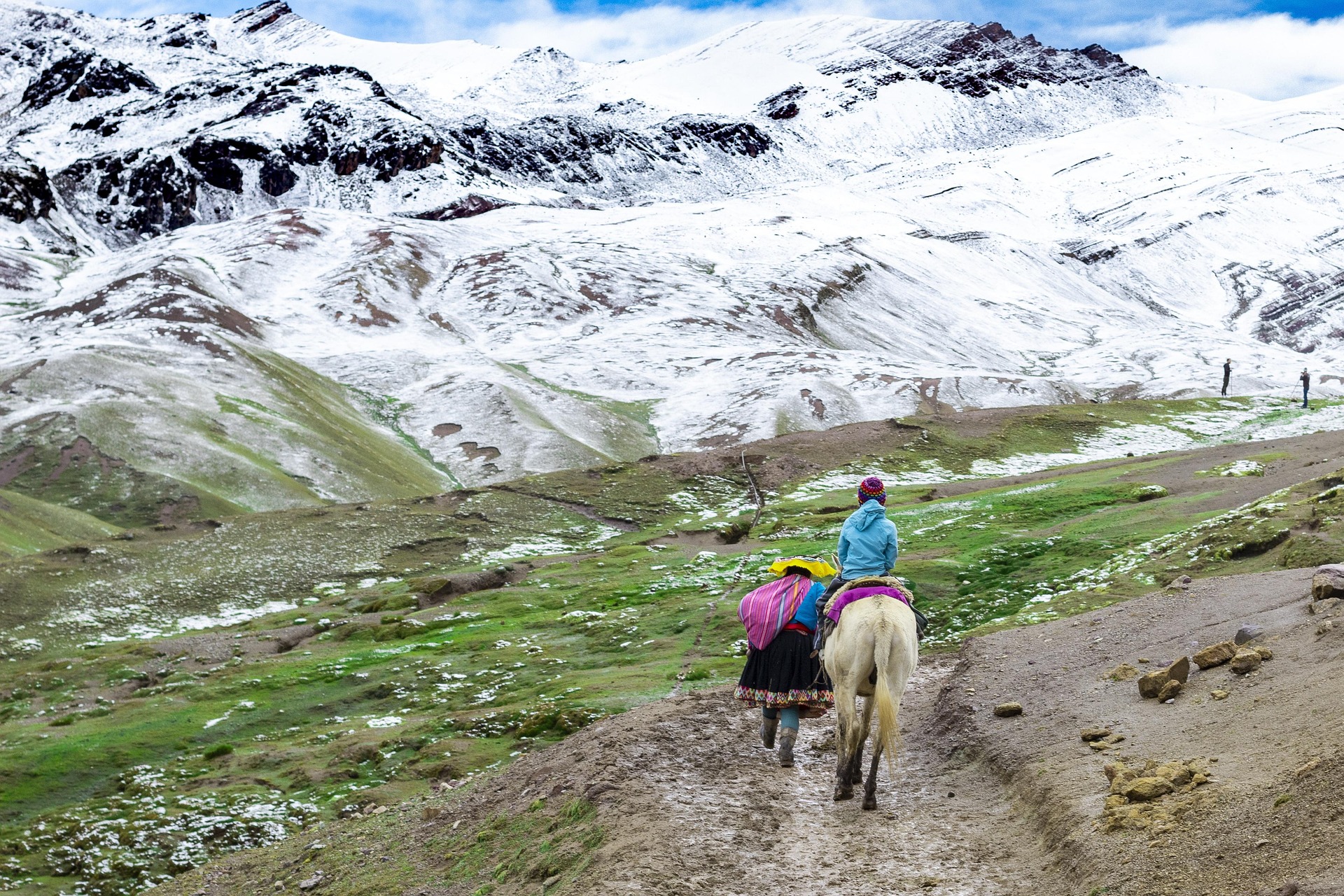
Image by Joaquín Enríquez from Pixabay
Annual festivals sustain Andean traditions and reflect the region’s layered history. The Inti Raymi festival in Cusco reenacts the Inca winter solstice with ceremonial processions at Sacsayhuamán and remains one of the most significant public celebrations in the Andean calendar.
Beyond major festivals, smaller community events take place throughout the year across the Sacred Valley and surrounding highlands. Agricultural cycles influence many celebrations, linking seasonal rhythms to social gatherings and collective rituals.
Culinary exploration deepens understanding of regional identity. Dishes prepared with native potatoes, alpaca and traditional corn varieties reflect agricultural diversity across the Sacred Valley. Local markets offer insight into produce cultivation, preparation methods and long-standing food traditions maintained within households.
Respect for local customs strengthens interactions. Using basic Quechua greetings, seeking permission before photographs and observing appropriate conduct in churches demonstrate cultural awareness and encourage positive engagement. Listening carefully and approaching exchanges with patience supports meaningful interaction within communities that value tradition and continuity.
An Andean journey combines regulated access, altitude awareness and meaningful cultural exchange. Understanding site rules, seasonal conditions and community traditions allows visitors to move through the region with clarity and respect.
Preparation reduces logistical stress, while cultural awareness deepens the overall experience. When planning reflects both practical responsibility and local sensitivity, travel in Peru’s highlands becomes more grounded, sustainable and personally rewarding.