How to Prepare for a Walking Holiday
A walking holiday offers a different way to travel. Instead of rushing between landmarks, you move at your own pace and experience a destination in greater detail. Whether you’re heading to the Lake District or tackling a multi-day route in mainland Europe, with a little preparation, you’ll spend your time appreciating the places you visit along the way.
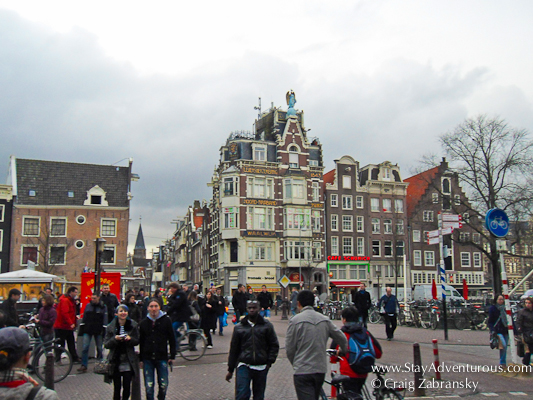
walking the streets of Amsterdam
Embracing the Spirit of Adventure
Part of the appeal of a walking holiday comes from stepping outside your normal routine. That doesn’t mean abandoning all planning, but it does help to stay open to unexpected discoveries. A scenic detour, a recommendation from a local shop owner, or an unplanned stop in a village pub often becomes the highlight of the trip.
Before you leave, spend some time considering what you want from the experience. Some walkers enjoy challenging terrain and long distances, while others prefer gentle routes with plenty of opportunities to stop and explore. Matching your expectations to your fitness level helps create a more enjoyable holiday. If you typically walk a few miles at weekends, for example, jumping straight into high altitude hikes such as trekking the Sierra Norte or consecutive 20-mile days can both feel more exhausting than rewarding.
Choosing the Right Gear and Clothing
If you’re unsure what to wear for a hike, start with footwear. Walking boots or shoes should fit properly and feel comfortable. A new pair that feels fine during a brief fitting can cause blisters after several hours on a trail. Wearing them on local walks gives the materials time to soften and lets you adjust as needed.
Layered clothing works well in changing conditions. A lightweight base layer helps regulate temperature, while a fleece or insulated mid-layer provides warmth when the weather cools. A waterproof outer jacket protects against sudden rain without adding unnecessary bulk. Even during summer, conditions can change quickly in upland or coastal areas.
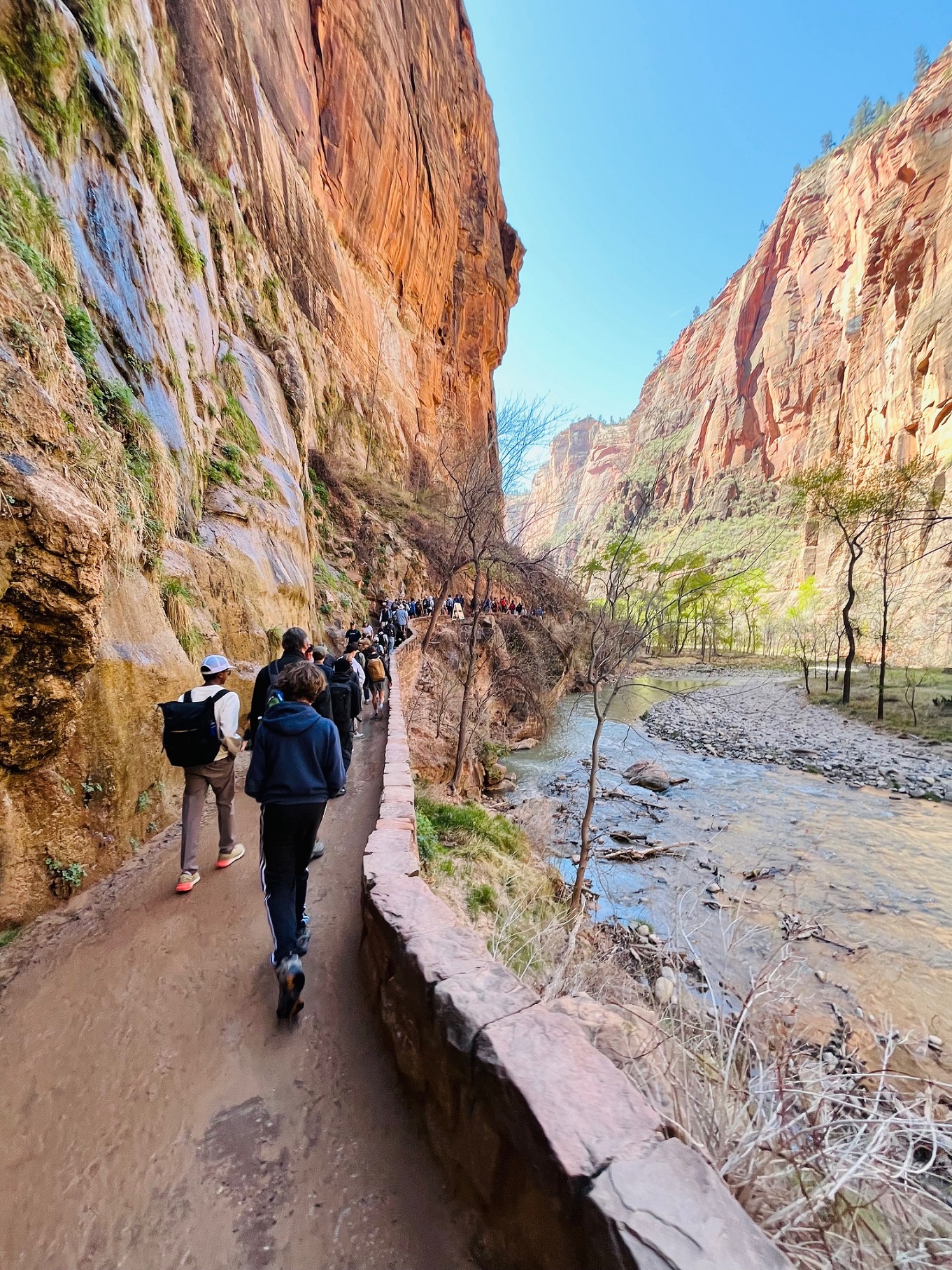
hike in Zion National Park
A daypack containing water, snacks, a map, sunscreen, and a lightweight waterproof jacket usually covers most situations.
Planning Routes for Maximum Discovery
When selecting routes, think beyond the headline attractions. A popular trail may offer spectacular views, yet nearby villages can add variety to the journey.
When booking hiking trips, look at daily distances rather than total mileage alone. A route with steep climbs may take significantly longer than a flatter section of the same length. Checking elevation profiles, public transport links and refreshment stops helps you build a realistic itinerary that leaves room for spontaneous discoveries.
Tips for Immersive Outdoor Experiences
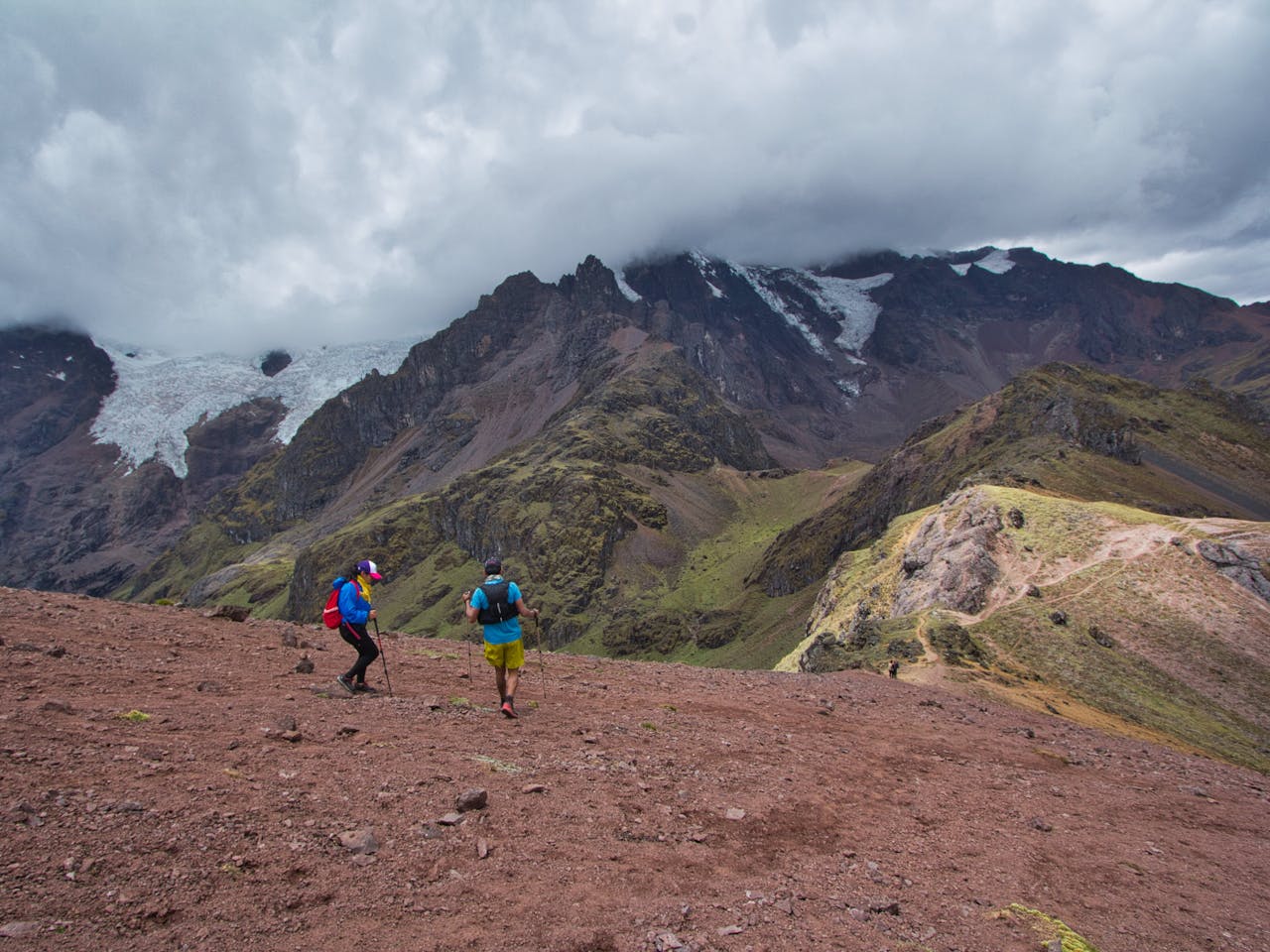
Paying attention to local culture, wildlife and seasonal changes often creates stronger memories than reaching a specific destination. Photography can encourage you to look more closely at your surroundings, but balance taking pictures with being present in the moment. A short stop to enjoy a view without reaching for your phone often feels surprisingly rewarding. Keep a small travel journal during your trip. Recording favorite routes, local recommendations, and memorable encounters gives you a personal record to revisit long after the walking holiday has ended.