What to Know Before Your Next Road Trip on an Isolated Highway
There is an undeniable magic to the open road. The scenery changes, the music plays, and the daily grind fades into the rearview mirror. And summer often means to prepare for the adventure of a family road trip.
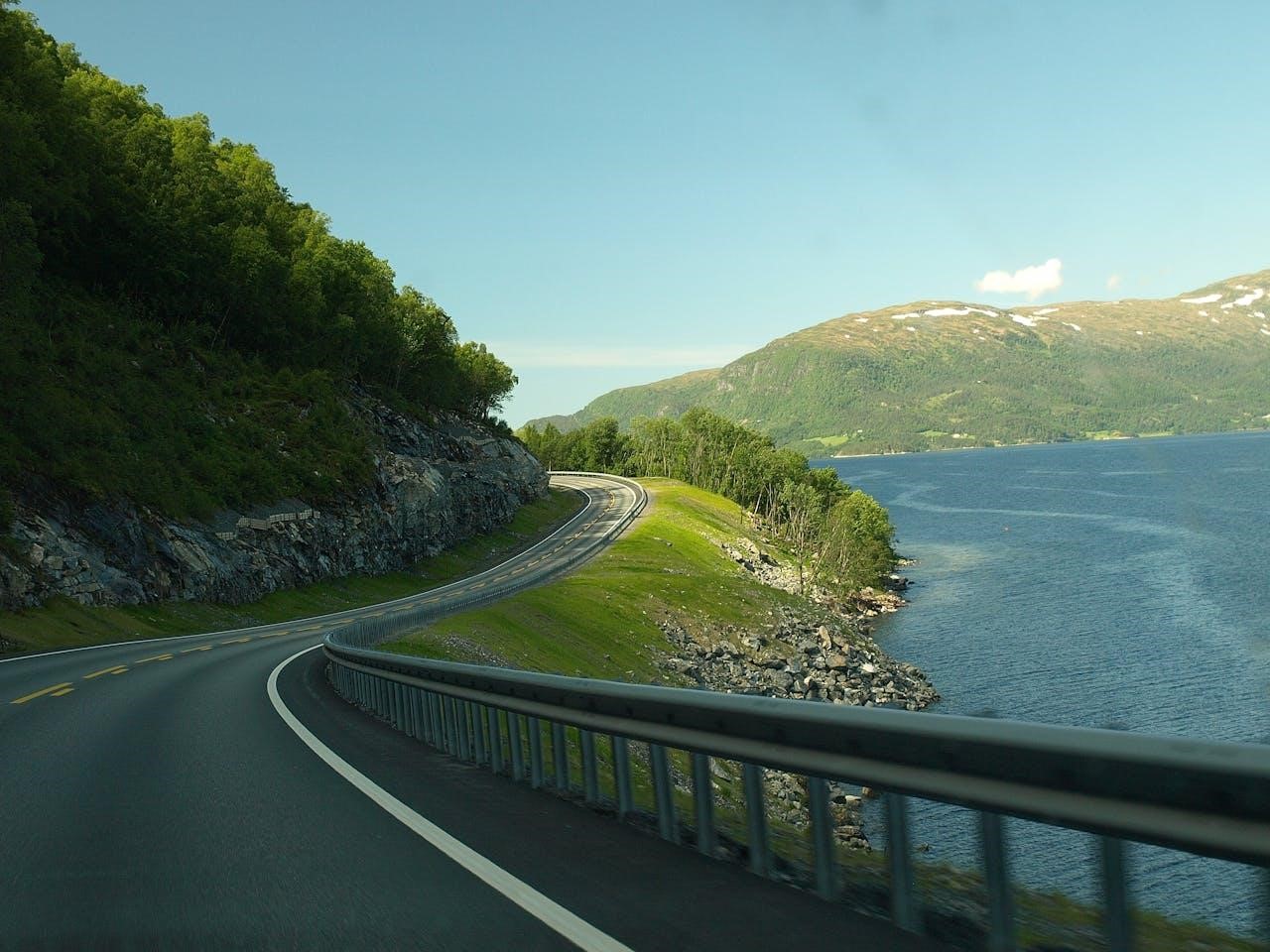
Yet as anyone who travels frequently knows, one moment you can be on an overcrowded interstate, while the next, you find yourself on a lonely single-lane road surrounded by an endless horizon. Traveling lonely stretches of highway, such as those found throughout the Great American West and through winding mountain passes, demands a very different frame of mind than the everyday drive in the city. There are certainly road trip essentials to pack, but if an emergency occurs out where tow trucks are hours away, and emergency services are scarce, a minor oversight can quickly become a dangerous survival situation. Should a worst-case scenario happen due to a reckless driver on these remote blacktops, you may eventually need to consult a dedicated car accident lawyer to handle the legal aftermath. Still, your immediate survival depends entirely on your preparation before you turn the ignition.
The Illusion of Connectivity
It seems that one of the biggest mistakes that contemporary road trip travelers make is relying too heavily on their smartphones. We are convinced that we will always be able to receive GPS guidance, stream music, and call for assistance whenever we need it.
However, the problem of cellular network reception becomes rather evident when traveling along remote roads. When something goes wrong and either your car breaks down or there is loose gravel, it means that nothing can come to rescue but yourself. Before starting your trip, ensure your route is downloaded as offline navigation, or buy a paper map. Additionally, let your family members know about your destination and the time you will arrive.
Fuel and Fluid Management
A low-fuel warning light poses no problem in urban environments; however, it can be dangerous in isolated terrain. Fuel stations in remote areas may be spaced up to 60 to 100 miles apart, and those in smaller towns often close or run out of fuel.
Follow the half-tank strategy by pulling over to refuel the minute your gauge approaches the halfway point, regardless of the price. At this point, you should also consider checking all of the fluids within the vehicle. Fast driving in hot, empty conditions puts a lot of pressure on the motor. Make sure to fill the fluids in, and don’t forget to keep distilled water in the car.
Expecting the Unexpected: Wildlife and Weather
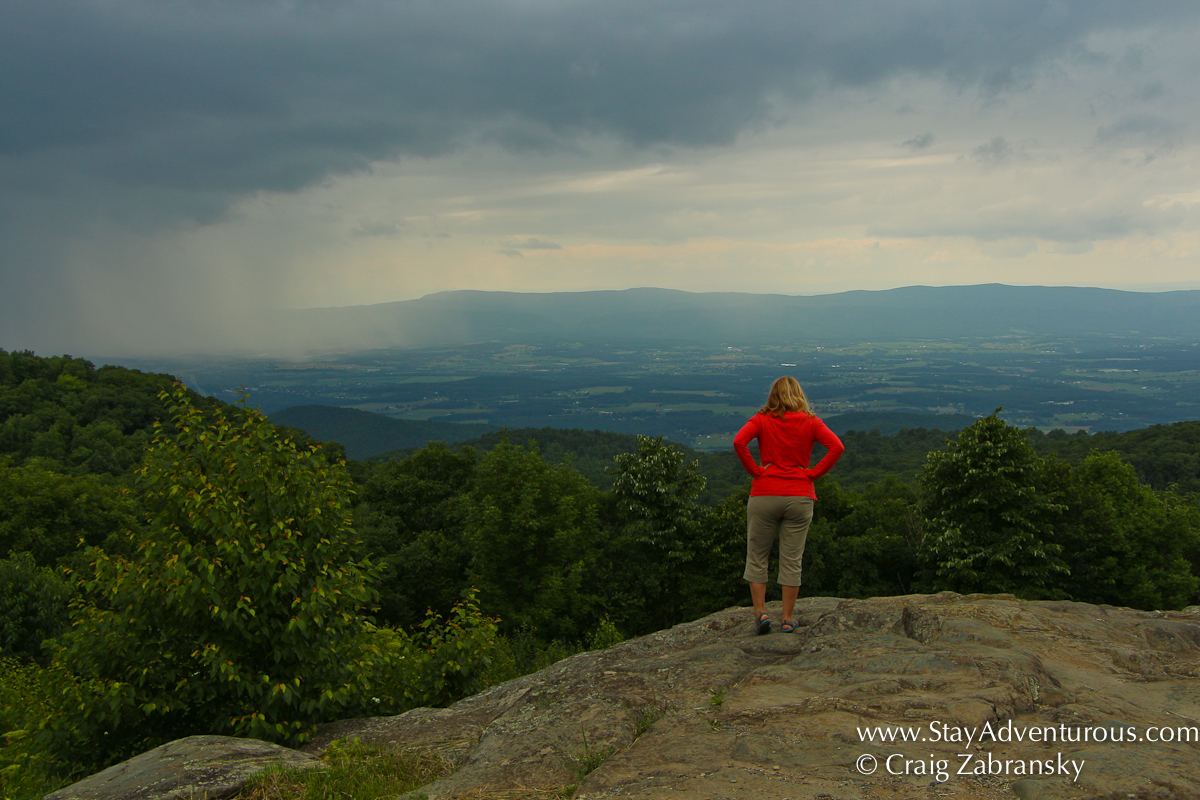
rain in the distance
Isolated roads often cut directly through open ranges or dense wildlife habitats. Hitting a deer, elk, or open-range cattle at 65 miles per hour will destroy your vehicle and cause severe injuries. Scan the shoulders of the road constantly, especially during dawn, dusk, and nighttime hours when animals are most active.
Furthermore, remote areas are highly susceptible to sudden, extreme weather changes. A dry wash can turn into a raging flash flood within minutes during a distant thunderstorm, and high desert winds can create blinding dust storms. Never attempt to drive through standing water on a remote road; without traffic ahead of you, it is impossible to gauge the depth or the strength of the current.
Your Lifeline: The Emergency Kit
If your vehicle does fail, you must be prepared to wait it out safely. Your trunk should contain a robust emergency kit that goes far beyond a simple set of jumper cables. Essential items include:
- A fully inflated spare tire, a jack, and a lug wrench (and the knowledge of how to use them)
- A minimum of one gallon of water per person, per day
- Non-perishable, high-protein snacks
- A heavy-duty flashlight with extra batteries, and a first-aid kit
- Mylar space blankets to regulate body temperature if you are stranded overnight
Conclusion
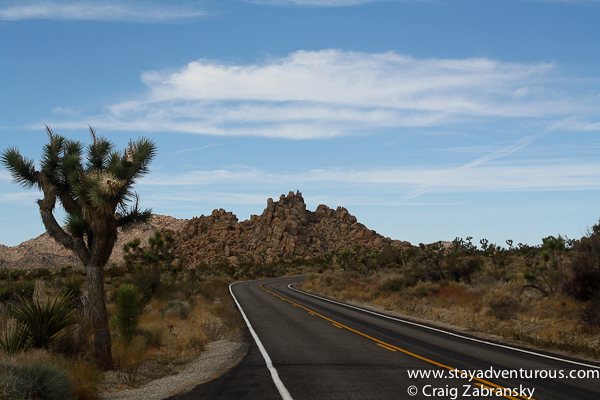
follow your path
An isolated road trip can be an unforgettable adventure, but it demands deep respect for the environment. Out there, help is not right around the corner. While a dedicated car accident lawyer can fight for your financial recovery if an accident is caused by a negligent driver on these lonely roads, your physical safety relies on your foresight, your gear, and your situational awareness. Pack smart, watch the fuel gauge, and enjoy the solitude with peace of mind.