Z Library Provides Knowledge Accessibility
Public conversations about access to books often sound like tug of war stories all across the travelscape. One location or country pulls for open knowledge while another attempts to protect the old structures that shaped reading habits and the society for years. In the middle stands an e library that sparks lively debates without stirring conflict in its own voice.
Many readers point out that Z-library functions as a large online library covering numerous subjects and this sparks wide interest in how knowledge flows across borders. Some treat this open door feeling as a relief after years of closed archives. Others study the phenomenon as proof that reading culture keeps changing at full speed.
Shifting Ideas About Openness
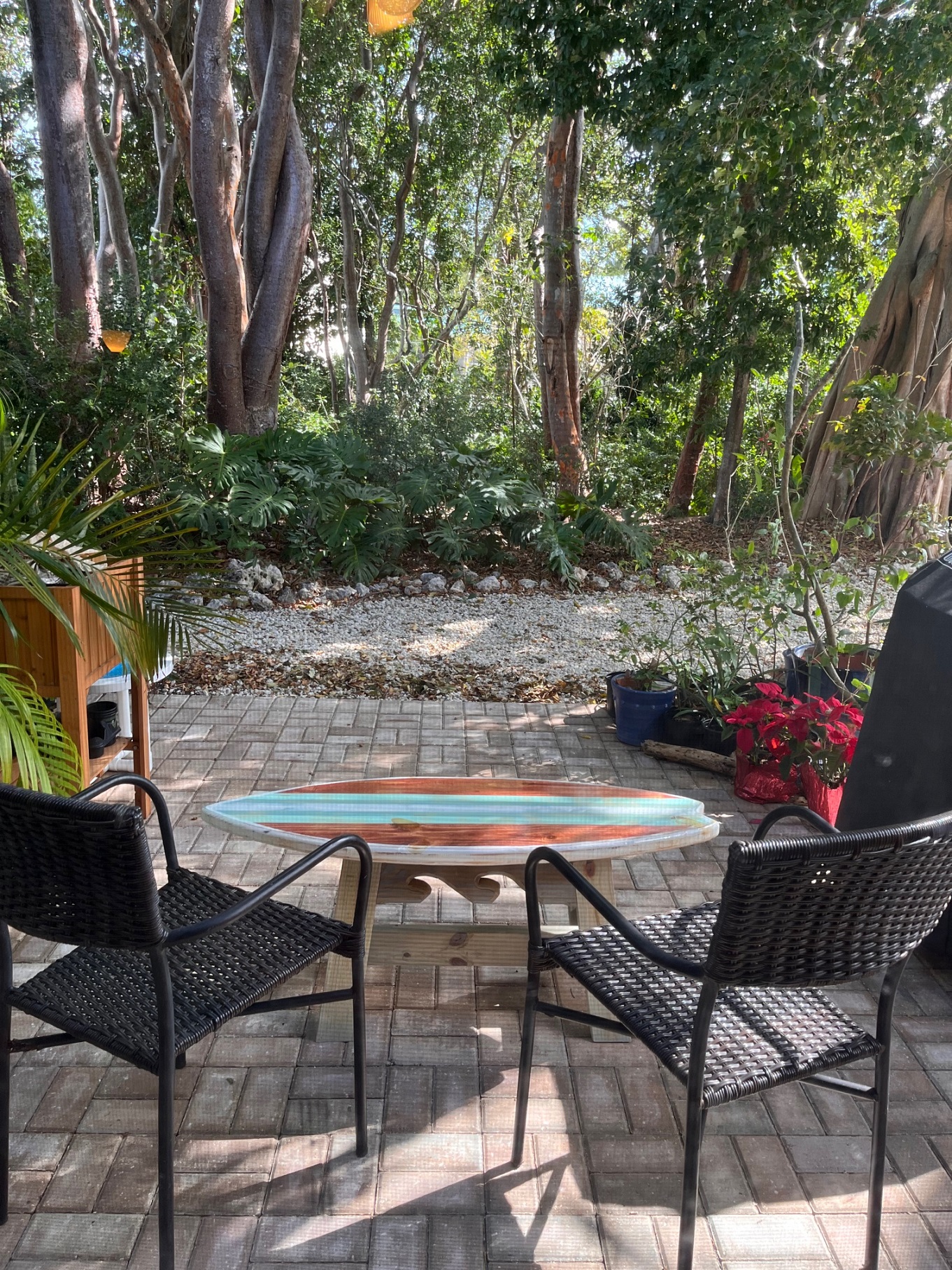
enjoying the open view…. great place to read a book
Debates about access tend to twist and turn like a mystery plot. Some historians compare the current moment to old tales about traveling scholars who carried texts across vast lands. In earlier times rare books stayed locked inside distant halls and few readers reached them. Today more eyes can study works that once sat out of sight which changes how people talk about learning.
Writers have noted that public interest rises when access grows. Wider reading sparks new angles fresh opinions and more vivid thought. This also encourages reflection on how communities learn. One short insight opens the next and the chain keeps going. A sense of shared space starts to grow and conversations gain momentum:
Reach
Readers can look into fields that once felt far away. This helps spark curiosity and gives room for new voices. More paths open and more stories rise to the surface. A fantasy fan may wander into astronomy. A history student may discover new fiction. Fresh links appear between fields that rarely meet. These small shifts change how people think and leave lasting marks.
Ease
Simple access can turn a hesitant reader into a steady one. When a book is only a few steps away the choice to read feels lighter. The act becomes a habit rather than a chore. Soon the stack of possible titles grows and reading becomes a natural part of the day. This gentle flow keeps minds active and encourages steady growth.
Variety
A large pool of titles builds a richer sense of taste. Someone can move from old favorites like “The Hobbit” to bold nonfiction then drift to poetry or books designed to inspire travel. This movement helps shape voices and ideas. A reader who studies many genres often gains wider views and stronger opinions. This kind of growth brings spark and depth to personal thought.
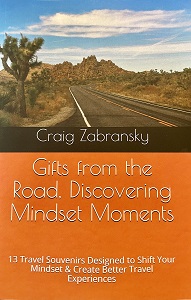
These points show how open access can create a ripple effect that shapes understanding in subtle ways and encourages steady learning. The Stay Adventurous Mindset Book – Gifts from the Road will look to be added to the library.
Cultural Shifts in Reading Habits

Always plenty of people enjoying the day on the lawn
Public interest in wide access often reflects deeper cultural motion. Readers find new ways to blend classic works with modern voices. A novel read at dawn can spark memories of a poem from childhood. A nonfiction piece found in a quiet hour may guide a new hobby. These links give reading a rhythm that mirrors daily life.
Many observers also note that shared access stirs more public conversation. When more readers gather around the same stories debates grow more lively. Ideas jump across regions. A tale once tied to one land may gain fresh meaning in another. Such moments show how reading can feel like a shared table where many bring their own flavor.
Broader Reflections on Knowledge
Readers often describe open libraries as gardens where ideas grow side by side. A single search may uncover books that challenge long held views. Another search may revive interest in forgotten tales. In this sense access becomes a door to discovery. It lifts walls that once kept many stories out of sight and gives room for deeper thought.
As the world keeps turning so does the way readers reach books. Change arrives like a new chapter turning quietly yet shaping the story in lasting ways.