Where to Stay in Seattle
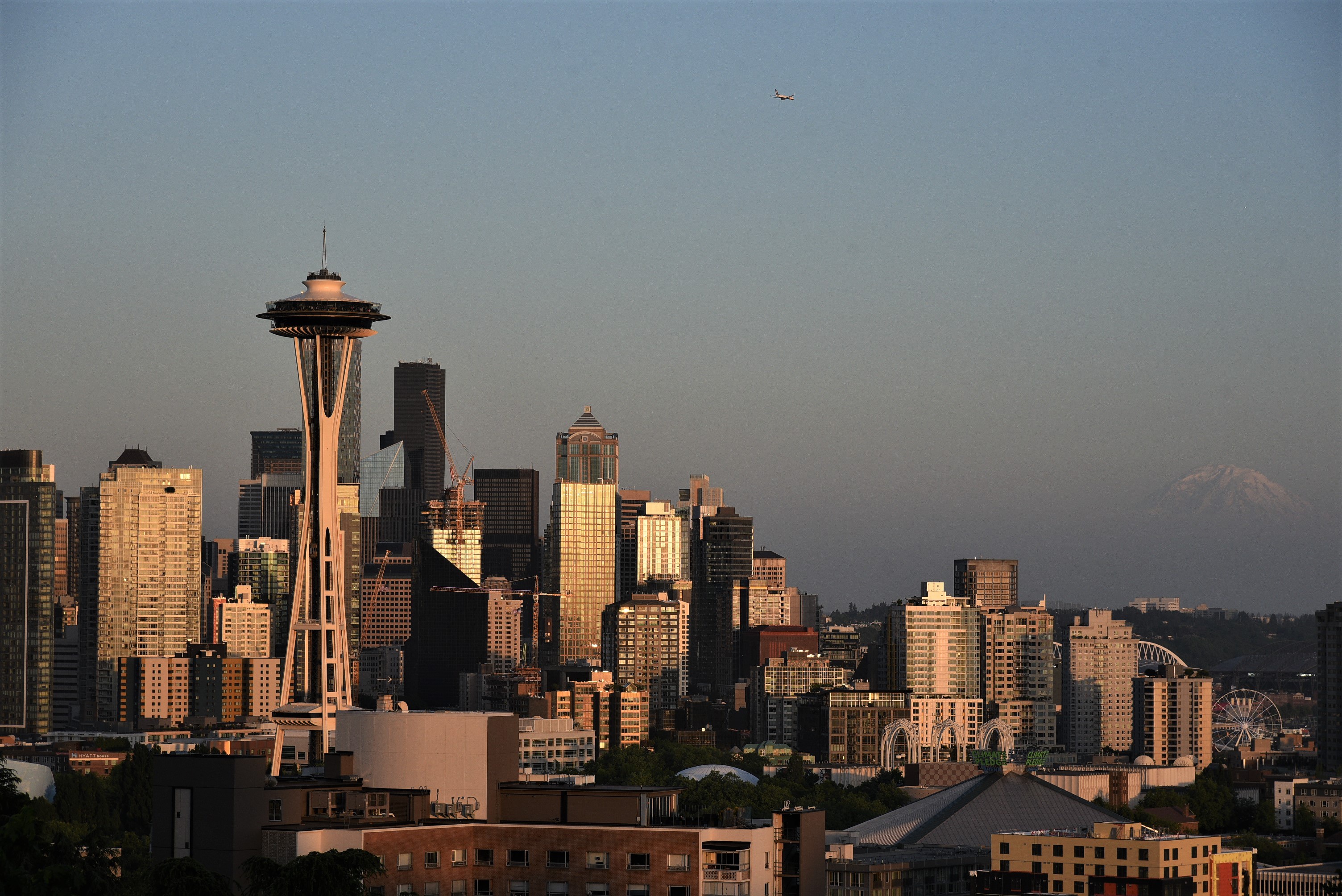
Image by Veronika Andrews Andrews from Pixabay
Seattle is a wonderful place to visit, but any location can be daunting when you experience it for the first time. Where you stay can make a big impact on your experience, and first-timers would do well to pick a location that offers access to the city’s major amenities without too many complex logistics. Luckily, Seattle has plenty of neighborhoods that put you within striking distance of the main sights without needing to rely on disconnected transit routes or lengthy hikes. Let’s take a look:
Be strategic when picking your hotel
If you try to find a hotel in Seattle without knowing the city well, it’s easy to pick somewhere that looks convenient but will actually leave you with a lot more logistical problems than you might expect. For example, Downtown might seem like the obvious choice, but depending on the block you pick, you could end up dealing with steep walks, heavy foot traffic, or longer routes between the places you actually want to visit. A better approach is to think about how you want your days to go, where you want to visit, when you want to eat, etc., and choose a base that will help you to achieve all of that in a simple, straightforward manner. Sometimes, that might mean picking a base that’s a bit further out with good transit links – it all depends on what you’ve got planned for your visit.
Downtown Seattle

Seattle’s Famous Fish Market – Pike Place
Downtown is a popular choice for visitors to Seattle, and for a first visit, it does make sense as a base – but only if you choose your precise location carefully. Staying close to Pike Place Market will give you easy access to the waterfront and several of the city’s best-known sights, which makes it easy to step out and get started without overthinking your route. Move a few blocks in the wrong direction, though, and the experience changes quite quickly, with steeper streets, heavier crowds, and longer walks between places that look manageably close together on a map. If you do decide on Downtown, it’s worth narrowing your search to a smaller area rather than treating it as a single, uniform area.
Belltown
Belltown, just north of Downtown, gives you a similar level of access without quite the same intensity. You can still walk to Pike Place Market and the waterfront without much effort, but the pace is generally calmer. That makes it easier to head out in the morning or come back later in the day without feeling like you’re stepping straight into a crowd. Belltown is not a completely peaceful option, but if you want to stay close to the main sights while taking the edge off the busiest parts of the city, Belltown has a good balance.
Capitol Hill
Capitol Hill is just one stop away from Downtown on the light rail, which makes it easy to move in and out of the central cluster without having to stay in the busiest part of the city. For example, you can get from a hotel in Capitol Hill to Pike Place Market, Downtown, Seattle Center, etc., quickly when you want to sightsee, then head back just as easily once you’re done. That kind of setup is useful if you don’t want to spend your entire trip in the same area, but still need a base that keeps those main routes simple. However, it does mean navigating the Seattle transit system – which is relatively simple, but not as simple as just walking to your preferred destinations.
Lower Queen Anne

If you’d rather stay somewhere that feels a bit more open without losing easy access, Lower Queen Anne is worth looking at. You can walk to Seattle Center in a few minutes, which gives you a solid starting point for a day, and you can head back toward Downtown on a direct route when you want to reach the market or the waterfront. Home of the Seattle Space Needle, the streets here are easier to move through, and you don’t have to deal with the same level of foot traffic as you do closer to Pike Place. It’s a practical option if you want a base that’s straightforward to navigate without being right in the middle of everything.
South Lake Union
If you want to stay somewhere a bit more residential without losing access to the main sights, South Lake Union is worth considering. It’s just above Downtown, and you can walk into the central area in around 15–20 minutes, depending on where you’re staying. Alternatively, you could use the streetcar for a short, direct trip. South Lake Union is also right next to Seattle Center, making it easy to build part of your day around that area before heading further into the city. It’s a quieter base overall, but still close enough that you don’t feel cut off once you start moving around.
University District
The University District is farther from the main tourist areas, but it has a direct light rail connection that takes you right into Downtown without a transfer. You can leave your hotel, get on at the nearest station, and arrive in the center of the city in a single stretch. This does mean that you’re confined by transit timetables, and you won’t be walking to places like Pike Place Market or the waterfront, so you need to plan around that from the start. In return, you usually get more space around your hotel and a wider choice of places to eat without the same level of crowding you find closer to the center.
Finding the right base in Seattle
Where you stay in Seattle can have a big impact on how your visit goes, especially on a first visit when you’re still getting your bearings. A central location can save you a lot of time, but only if it lines up with the places you actually plan to visit, while a slightly further-out base can still work if it has simple transit routes to and from your favored attractions. The key is to think about how you’ll move between areas once you’re there, rather than relying on what looks best on a map.